For continued business
Zagreb provides the country’s deepest professional, educational and healthcare infrastructure. Split supports a growing technology and service economy with a coastal lifestyle.
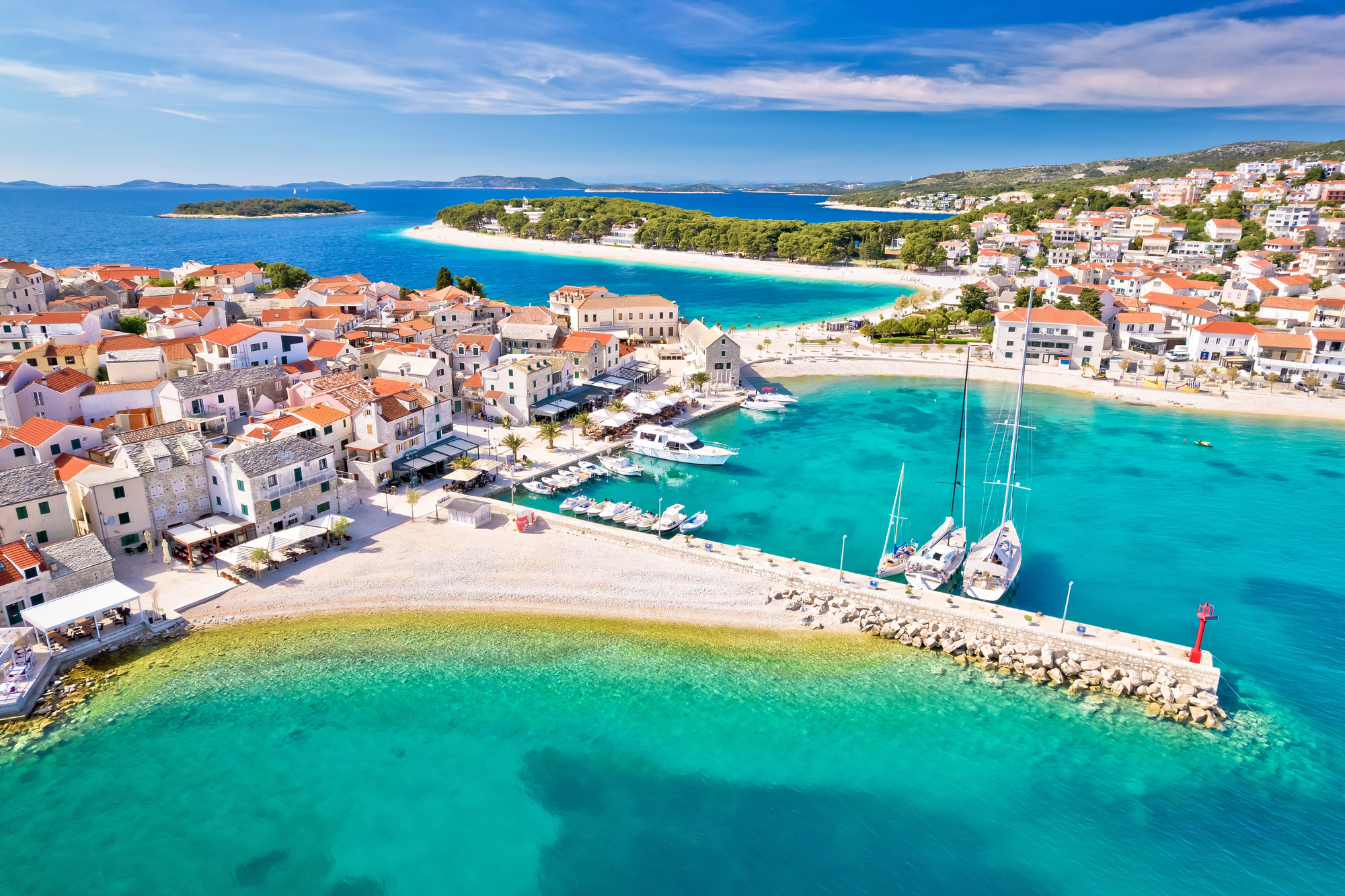
The Adriatic as a lived landscape, not simply a summer view.
Croatia’s coastline is the first impression, but the deeper appeal is the way it is inhabited. Ferries, marinas, stone towns, markets and evening promenades make the Adriatic part of daily life. The sea is not only scenery; it structures weekends, food, climate and social rhythm.
The country is not one continuous resort. Zagreb is a serious Central European capital. Split is a working coastal city with Roman fabric embedded in everyday streets. Istria feels cultivated and close to Italy. Dubrovnik is globally legible and intensely seasonal. The islands range from glamorous to agricultural, while inland Croatia offers forests, thermal culture and a quieter cost base.
Croatia attracts second-home owners, remote professionals, families with regional ties and retirees who want sea and heritage without giving up the institutional comfort of the EU, euro and Schengen. It rewards those who distinguish a functioning year-round place from a spectacular address that lives mainly in summer.
The right choice depends on whether the household is optimizing for business, coast, culture, quiet, family life or nature. These are the broad distinctions to test before choosing a region.
Zagreb provides the country’s deepest professional, educational and healthcare infrastructure. Split supports a growing technology and service economy with a coastal lifestyle.
Dubrovnik, Split, Hvar, Brač, Korčula and the wider Dalmatian coast offer sailing, stone architecture and extraordinary water, with varying degrees of seasonality.
Istria combines hill towns, vineyards, olive groves, restaurants and road access to Slovenia and Italy.
Zadar, Šibenik, Cavtat/Konavle and selected inland markets can provide a more practical year-round life than the most famous postcodes.
A country becomes meaningful through repeatable habits: how mornings begin, where people gather, what weekends make possible and whether the ordinary week feels like the life being sought.
Coffee on the riva, a market run or an early swim can precede work. In Zagreb, café culture gives the city its own unhurried confidence.
Seafood, grilled fish, peka, Istrian pasta or a simple lunch reflects the coast-to-interior differences. Summer heat slows the middle of the day.
Promenades fill, tables move outside and the waterfront becomes the social room. In winter, the strongest towns reveal their real local life.
An island ferry, vineyard lunch, national park, sailing day or drive into Istria can turn geography into a routine pleasure.
Relocation is not sustained by landmarks. It is sustained by small pleasures, familiar places and a culture that continues to reward attention after the novelty has faded.
Dalmatian seafood, black risotto, peka, Istrian truffles, olive oil, Pag cheese, štrukli and regional wines make the country far more varied than its size suggests.
Roman remains, Venetian towns, Austro-Hungarian architecture, contemporary festivals and a strong craft tradition place several histories inside one country.
Waterfront walks, sailing, local festivals, football, music and long summer evenings create a strong public rhythm. Inland and coastal Croatia share hospitality, but their social seasons feel very different.
Croatia lets a household combine a real European city, an island, a vineyard landscape and a mountain park within one compact national life.
No country is universally right. A strong fit begins when the pace, landscape, social expectations and practical access align with the household’s real life.
Wants sailing, swimming and a home that becomes a family ritual, and understands that ferry schedules, management and winter services matter.
Can use Split, Zagreb, Zadar or Istria as a base and values a lower-intensity lifestyle without losing European connectivity.
Is drawn to cultural familiarity, direct family ties or a slower Adriatic life, and prefers lived-in towns over resort-only communities.
The country offers personal safety, outdoor time, sport, close family culture and the practical framework of EU, euro-area and Schengen membership. The critical distinction is between a functioning year-round base and a seasonal coastal address. Zagreb has the clearest international-school ecosystem and the deepest concentration of healthcare, activities and services. Coastal cities can work well, but English-language options become more limited and island life introduces another layer of logistics.
Zagreb offers the strongest continuity for families seeking American, international or IB-style education. Selected coastal centres have private and international options, but the range is narrower and should be verified for the child’s exact age and curriculum.
Croatian-language schools can create genuine belonging and are often a strong choice for younger children or families making a long-term commitment. Older students may need a more deliberate transition plan.
Zagreb is the most practical all-round base. Split combines a real city with the sea. Istria can offer a cultivated, cross-border lifestyle. Dubrovnik and the islands are compelling, but school-year services, transport and winter rhythm require closer testing.
Ferry dependence, seasonal flight schedules, specialist healthcare, extracurricular depth and the commute to school can matter more than the view. Families should experience the intended base during the academic year.
Air schedules change by season and year. This section describes the current access pattern at a high level; exact nonstop routes and operating dates should be confirmed when travel is planned.
The Index identifies the country. The lived decision is usually regional, and sometimes highly local. These are the first distinctions worth experiencing in person.
The national capital: business, universities, culture, healthcare and year-round life with Central European character.
A genuine coastal city with airport, hospitals, ferries and Roman history woven into daily use.
Global heritage and extraordinary beauty, balanced by premium pricing, tourism intensity and a more seasonal rhythm.
Rovinj, hill towns, vineyards and olive groves create an elegant food-and-landscape life close to Italy and Slovenia.
Three different island propositions: glamour, accessibility and understated wine-and-stone life.
Working coastal cities with airports, marinas and historic centres, often offering a more balanced ownership thesis than the headline markets.
A polished view should still be an honest one. Practical realities do not weaken the attraction; they reveal the conditions under which the life can work well.
A coast that feels electric in July may feel quiet in February. Year-round services vary sharply.
Title, legalization, heritage status and alterations should be tested before emotion takes over.
Ferries, weather, medical access and property management become part of the ownership model.
The most famous historic centres can be extraordinary yet less practical for everyday family life.
Online research can inspire the move. It cannot coordinate the professionals, sequence and local judgment required to execute it well.
Reside Global helps define the intended life, narrow the region and, where appropriate, introduce experienced local professionals. The exact team depends on the client and project. Regulated legal, tax, immigration, financial and technical advice remains with the appropriate independent specialists.
A buyer-side professional who understands neighbourhood quality, year-round life, current inventory and the difference between a beautiful listing and a durable home.
Local counsel or the appropriate conveyancing professional to test title, contracts, ownership restrictions and succession questions before commitment.
An architect, engineer, surveyor or local technical specialist able to examine condition, permissions, alterations and realistic maintenance.
Qualified immigration, tax and financial professionals who can assess the household’s actual facts rather than fit them into a generic online answer.
Banking, insurance, schools, healthcare navigation, household setup and property-management support so the move works after the keys are handed over.
A private discussion can clarify the intended use, pace, region, property brief and professional support the next stage may require.