For continued business
Milan is the clearest choice, with corporate depth, design, finance, major airports and international schools. Turin, Rome and parts of the northeast can also support a serious professional life.
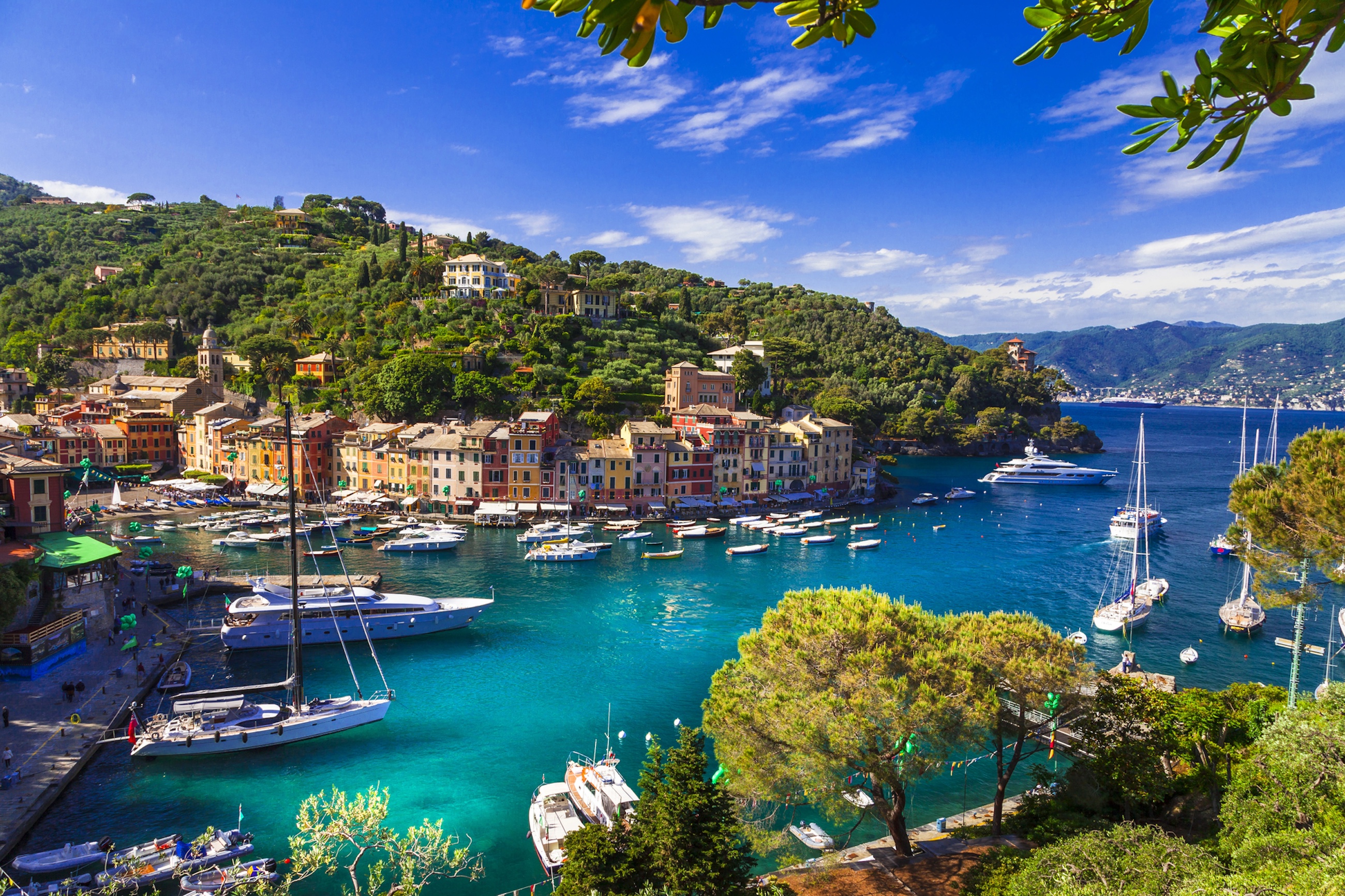
A country where beauty becomes part of the routine.
Italy is easy to romanticize, but its deeper appeal is repetition: the same bar in the morning, the same market stall on Saturday, the same square filling at dusk. Public space still carries social life. Food follows place and season. Beauty appears in the course of an ordinary errand rather than only on special occasions.
It is also several countries inside one border. Milan can support an international career; Turin offers elegance with a quieter tempo; the lakes provide beauty and access; Liguria brings the Riviera into daily reach; Tuscany and Umbria offer cultivated country life; Puglia and Sicily exchange northern polish for sun, land and a stronger sense of regional identity.
Italy suits people prepared to choose a region rather than simply choose Italy. The most satisfying move is often made by someone who values local relationships, accepts that administration can move at a human rather than corporate pace, and sees language, food and place as part of the commitment rather than decoration.
The right choice depends on whether the household is optimizing for business, coast, culture, quiet, family life or nature. These are the broad distinctions to test before choosing a region.
Milan is the clearest choice, with corporate depth, design, finance, major airports and international schools. Turin, Rome and parts of the northeast can also support a serious professional life.
Liguria, the Tuscan coast, Puglia, Sicily and Sardinia offer very different coastal experiences—from marinas and compact towns to rural masserie and island distance.
Tuscany, Umbria, Piedmont wine country and selected inland areas reward people who want land, provenance, food culture and a slower social rhythm.
The Dolomites, South Tyrol and the alpine lakes suit active households who want skiing, hiking and sophisticated small-town infrastructure without leaving Italy.
A country becomes meaningful through repeatable habits: how mornings begin, where people gather, what weekends make possible and whether the ordinary week feels like the life being sought.
Espresso and a cornetto at the neighbourhood bar; school runs, markets and scooters begin before the working day settles into place.
Lunch can be practical, but ingredients remain regional. The street may quiet before shops reopen and the city gathers momentum again.
Aperitivo becomes a social bridge between work and dinner. The passeggiata returns people to the square, the waterfront or the main street.
A train to another city, a drive through vineyards, a day at the lake or sea, or a long family lunch that gives Sunday its structure.
Relocation is not sustained by landmarks. It is sustained by small pleasures, familiar places and a culture that continues to reward attention after the novelty has faded.
Risotto in Lombardy, pesto in Liguria, ribollita in Tuscany, orecchiette in Puglia, arancini in Sicily and countless foods that make sense only in their place of origin.
Opera houses, contemporary foundations, churches, civic museums, artisan workshops and design culture make visual intelligence part of ordinary life.
Markets, evening walks, local sports clubs, festivals and familiar shopkeepers create continuity. Belonging often develops through repeated participation rather than through a formal expatriate scene.
Italy makes refinement feel inherited rather than staged. The most memorable luxury is often a town that still knows how to live well on an ordinary Tuesday.
No country is universally right. A strong fit begins when the pace, landscape, social expectations and practical access align with the household’s real life.
Wants European culture without withdrawing from business, values airports and rail, and is willing to base in Milan, Rome, Turin or another well-connected city.
Wants food, art, walkability and a slower rhythm, but still needs healthcare, community and year-round services. Smaller cities and lived-in regional centres often outperform famous resort towns.
Is drawn to a villa, palazzo, masseria, vineyard or lake home and understands that the property must be chosen with technical diligence, maintenance capacity and real patterns of use in mind.
Italy can be a deeply rewarding place to raise children: daily life is social, arts and history are tangible, sport and family ritual matter, and several cities support a genuinely international education. The practical distinction is geographic. English-language continuity is strongest in the major metropolitan and international corridors; the more rural or coastal the address, the more likely schooling will require Italian-language integration or a substantial commute.
American, British and International Baccalaureate pathways are most established around Milan, Rome, Florence and Turin, with additional options in selected northern and lake corridors. Families should confirm curriculum, entry year, language support, transport and university pathway before choosing a home.
Italian public and private schools can offer strong cultural integration and language fluency. Younger children may adapt more naturally; for older students, the transition point, examination system and future university plans deserve careful sequencing.
Milan offers the widest combination of schools, business and air access. Rome adds culture and international institutions. Turin and Florence can feel more manageable, while South Tyrol and selected lake communities appeal to families prioritizing outdoor life and a smaller scale.
School admissions, daily commute, learning support, sports and arts, airport access and specialist healthcare should be mapped before the property brief. In Italy, an exceptional house can still be the wrong family address.
Air schedules change by season and year. This section describes the current access pattern at a high level; exact nonstop routes and operating dates should be confirmed when travel is planned.
The Index identifies the country. The lived decision is usually regional, and sometimes highly local. These are the first distinctions worth experiencing in person.
The strongest combination of international business, design, schools and air access, with Como, Maggiore and Garda offering distinct lake lives nearby.
A capital-city life defined by art, government, history and neighbourhood ritual, with countryside, coast and airport access in the wider orbit.
Riviera gardens, marinas and lived-in coastal towns; proximity to Nice and Monaco adds an international dimension.
Historic cities, walled towns, estates and cultivated landscapes. The decisive distinction is between genuine year-round community and a beautiful but seasonal address.
Masserie, olive country, white towns and two coastlines. Strong for design-conscious buyers who want land and summer life without northern trophy-market conventions.
Baroque cities, volcanic landscapes, sea and a powerful regional identity. The reward is distinctiveness; the practical test is access, services and local management.
A polished view should still be an honest one. Practical realities do not weaken the attraction; they reveal the conditions under which the life can work well.
Healthcare, transport, administration, schools and property maintenance can differ materially across the country.
English may work in international circles, but Italian opens the local world and reduces dependence.
Charm can conceal cadastral, planning, seismic, moisture or access issues. The technical team is as important as the agent.
A celebrated town in August may feel entirely different in January. The strongest purchase works outside the postcard season.
Online research can inspire the move. It cannot coordinate the professionals, sequence and local judgment required to execute it well.
Reside Global helps define the intended life, narrow the region and, where appropriate, introduce experienced local professionals. The exact team depends on the client and project. Regulated legal, tax, immigration, financial and technical advice remains with the appropriate independent specialists.
A buyer-side professional who understands neighbourhood quality, year-round life, current inventory and the difference between a beautiful listing and a durable home.
Local counsel or the appropriate conveyancing professional to test title, contracts, ownership restrictions and succession questions before commitment.
An architect, engineer, surveyor or local technical specialist able to examine condition, permissions, alterations and realistic maintenance.
Qualified immigration, tax and financial professionals who can assess the household’s actual facts rather than fit them into a generic online answer.
Banking, insurance, schools, healthcare navigation, household setup and property-management support so the move works after the keys are handed over.
A private discussion can clarify the intended use, pace, region, property brief and professional support the next stage may require.