For continued business
Lisbon and Porto offer technology, entrepreneurship, professional services and international communities, with increasing competition for housing.
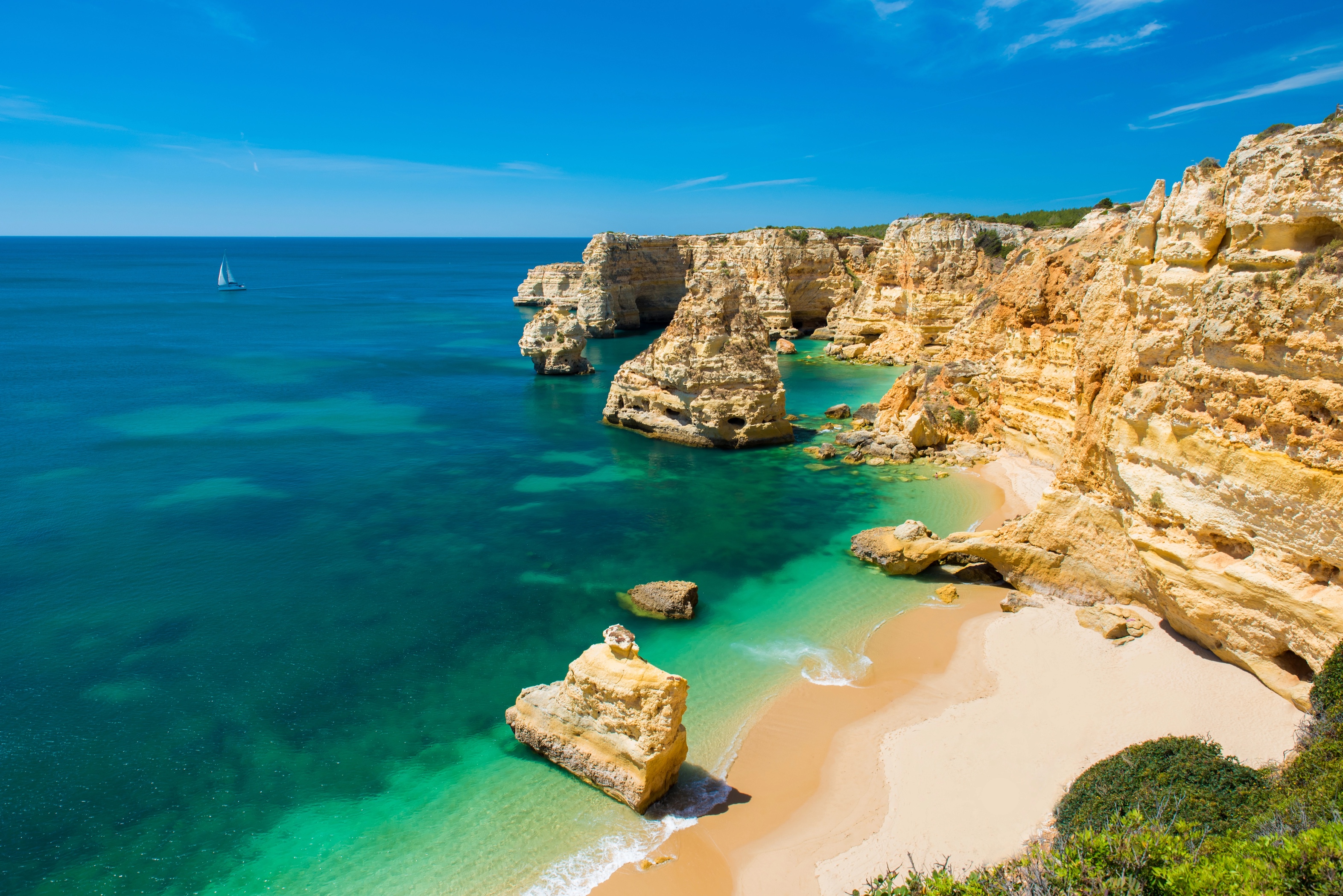
Atlantic light, human-scale cities and an unusually approachable European rhythm.
Portugal’s appeal is gentler than spectacle. Lisbon’s hills, tiled façades and river light create the image, but the deeper attraction is scale: neighbourhood cafés, markets, beaches, country roads and regional cities are close enough to be used rather than admired from a distance.
The country offers several distinct lives. Lisbon is creative, international and increasingly expensive. Cascais combines ocean, schools and year-round services. Porto is a serious northern city with its own gravity. Comporta and Melides offer design and privacy. The Algarve provides mature resort infrastructure, while Madeira and the Azores create radically different island propositions.
Portugal attracts remote professionals, founders, retirees, families and second-home owners who want warmth without constant intensity. It suits people who value the ocean, civility and a slower public tempo, yet still want airports, healthcare and established international communities. The best fit is often someone prepared to learn the difference between Portugal as a lifestyle and Portugal as a programme.
The right choice depends on whether the household is optimizing for business, coast, culture, quiet, family life or nature. These are the broad distinctions to test before choosing a region.
Lisbon and Porto offer technology, entrepreneurship, professional services and international communities, with increasing competition for housing.
Cascais, Estoril and selected Lisbon-coast towns combine schools, beaches, healthcare and access to the capital.
Comporta, Melides, Sintra, the Alentejo and Douro suit people seeking landscape, architecture, wine and privacy.
The central Algarve and Madeira provide mature international services, golf, marinas, warm weather and established long-stay communities.
A country becomes meaningful through repeatable habits: how mornings begin, where people gather, what weekends make possible and whether the ordinary week feels like the life being sought.
Coffee and a pastel at the local café, a school walk or a market visit begins a day shaped by neighbourhood routine and Atlantic light.
Lunch remains important, but urban work life is increasingly international. Outside Lisbon, the tempo can feel notably unhurried.
Miradouros, river walks, local restaurants and outdoor tables create a social life that is visible without being performative.
A surf beach, vineyard, palace town, golf course, island flight or country lunch is rarely difficult to arrange.
Relocation is not sustained by landmarks. It is sustained by small pleasures, familiar places and a culture that continues to reward attention after the novelty has faded.
Bacalhau, grilled sardines, cataplana, arroz de marisco, francesinha, regional cheeses, pastries and Atlantic wines give each region a clear identity.
Azulejos, architecture, fado, contemporary art, literature and craft traditions make melancholy and beauty part of the national aesthetic.
Markets, bakeries, football, music, beach walks and the evening use of public space create a gentle social rhythm. Familiarity builds slowly, then becomes one of the country’s strongest forms of comfort.
Portugal offers enough international familiarity to ease the move, while retaining a strong sense of place, restraint and local ritual.
No country is universally right. A strong fit begins when the pace, landscape, social expectations and practical access align with the household’s real life.
Wants Atlantic climate, European time zones and an international community, with Lisbon or Porto as the professional anchor.
Values schools, beaches, safety and a softer landing, often finding the Lisbon Coast more practical than the capital centre.
Wants outdoor life, community and manageable distances, with the Algarve, Madeira or a regional town selected according to services and seasonality.
Portugal’s approachable social culture, outdoor life, coastline and relatively easy transatlantic access make it a natural choice for families in transition. The strongest English-language and international-school concentration sits around Lisbon, Cascais and Sintra, with meaningful options in Porto and the Algarve and selected provision elsewhere. The property search should follow the school and commute map—not the other way around.
The Lisbon-Cascais-Sintra area offers American, British and IB pathways and the broadest choice of support and extracurricular programmes. Porto and the Algarve can also work well, while island and rural options are more specific.
Local public and private schools can provide language fluency and deeper integration. Younger children may transition more naturally; older students need careful comparison of curriculum, examinations and university plans.
Cascais and Estoril combine schools, coast and access to Lisbon. Lisbon supports business and culture. Porto offers a more compact northern life. The Algarve suits families prioritizing space and climate, provided the school run and year-round community work.
Admissions, traffic, school transport, housing near the chosen campus and summer-versus-winter rhythm can materially affect the experience. Popular family corridors can carry premium pricing and limited inventory.
Air schedules change by season and year. This section describes the current access pattern at a high level; exact nonstop routes and operating dates should be confirmed when travel is planned.
The Index identifies the country. The lived decision is usually regional, and sometimes highly local. These are the first distinctions worth experiencing in person.
The international capital: business, culture, food and airport access, balanced by housing pressure and tourism.
Atlantic villas, schools, golf, beaches and a real town centre within reach of Lisbon.
A serious northern city with architecture, gastronomy and business depth; Foz adds an ocean-facing residential layer.
Low-density dunes, rice fields and design-led privacy—distinctive, beautiful and increasingly premium.
From Quinta do Lago and Vilamoura to Lagos and Tavira, the region ranges from polished resorts to more traditional towns.
Madeira offers subtropical, year-round city-island life; the Azores offer nature, distance and a more niche Atlantic identity.
A polished view should still be an honest one. Practical realities do not weaken the attraction; they reveal the conditions under which the life can work well.
Prime Lisbon, Cascais, Comporta and Algarve markets should not be approached with outdated assumptions about low prices.
International areas are easy initially; Portuguese makes everyday life and relationships substantially richer.
Some resort communities feel full in summer and very different in winter.
Lifestyle, residence and tax should be assessed under current rules rather than legacy narratives about automatic benefits.
Online research can inspire the move. It cannot coordinate the professionals, sequence and local judgment required to execute it well.
Reside Global helps define the intended life, narrow the region and, where appropriate, introduce experienced local professionals. The exact team depends on the client and project. Regulated legal, tax, immigration, financial and technical advice remains with the appropriate independent specialists.
A buyer-side professional who understands neighbourhood quality, year-round life, current inventory and the difference between a beautiful listing and a durable home.
Local counsel or the appropriate conveyancing professional to test title, contracts, ownership restrictions and succession questions before commitment.
An architect, engineer, surveyor or local technical specialist able to examine condition, permissions, alterations and realistic maintenance.
Qualified immigration, tax and financial professionals who can assess the household’s actual facts rather than fit them into a generic online answer.
Banking, insurance, schools, healthcare navigation, household setup and property-management support so the move works after the keys are handed over.
A private discussion can clarify the intended use, pace, region, property brief and professional support the next stage may require.